
Understanding Tax-Free Childcare Availability Across UK Regions
Explore how Tax-Free Childcare varies across different regions in the UK. Learn about specific regional eligibility requirements, application processes, and how to maximize your childcare savings.
The TFC Calculator Editorial Team
Source-checked childcare costs and support guidance
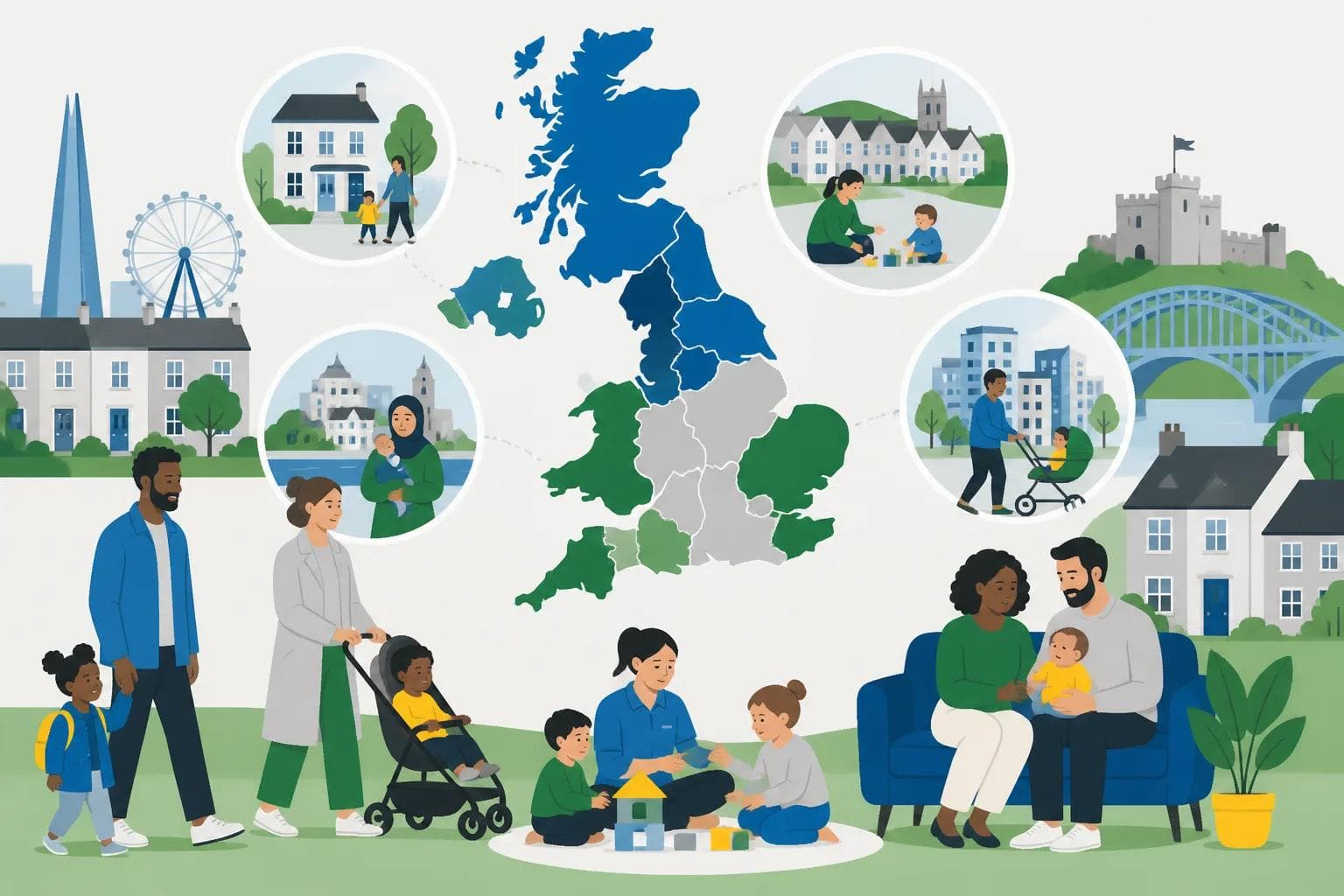
Navigating the world of childcare in the UK can often feel like assembling a puzzle with too many pieces. With varying costs, eligibility requirements, and application processes, it's no wonder that many parents find themselves overwhelmed. But fear not! Today, we're diving into the intricacies of Tax-Free Childcare across the UK regions to help you maximise your savings and streamline your experience.
Why Tax-Free Childcare Matters
Tax-Free Childcare is a government scheme designed to ease the financial burden on UK working parents. For every £8 you deposit into your Tax-Free Childcare account, the government adds £2, up to £2,000 per child, annually. This can be a real game-changer, especially when combined with other childcare support schemes like the 15 or 30 hours of free childcare for eligible children aged 3 and 4.
However, as with many government schemes, the devil is in the details, particularly when it comes to regional differences in costs, eligibility, and application processes.
Regional Cost Variations
The cost of childcare can vary significantly depending on where you live in the UK. Let's break it down:
- London: Unsurprisingly, London ranks as one of the most expensive regions for childcare. Parents can expect to pay upwards of £1,500 per month for a full-time nursery place. The high cost of living and demand for spaces drive these prices.
- South East: Similar to London, the South East has higher than average childcare costs, though they are slightly more affordable. Here, full-time nursery care averages around £1,200 per month.
- North West and North East: These regions offer more affordable childcare options, with costs averaging between £800 and £1,000 per month.
- Scotland, Wales, and Northern Ireland: These areas tend to have more varied pricing, often dependent on local authority policies and the availability of community-based care options.
Pro Tip:
Consider using a Childcare Cost Calculator to get a tailored breakdown of costs in your specific area. This can be particularly useful for budgeting and planning.
Eligibility Guide for Tax-Free Childcare
To qualify for Tax-Free Childcare, you must meet several criteria:
- Both parents must be working: Each must earn at least the National Minimum Wage or Living Wage for 16 hours a week, which is approximately £152 per week. This also applies to self-employed parents.
- Children must be under 12: If your child has a disability, this extends to under 17.
- You cannot be claiming other childcare support: If you're receiving Tax Credits, Universal Credit, or childcare vouchers, you won't be eligible for Tax-Free Childcare.
Regional Considerations:
- Rural Areas: While costs might be lower, availability can be a challenge. Ensure local childcare providers accept Tax-Free Childcare payments.
- Urban Centres: Although more expensive, urban areas usually offer a wider range of approved childcare providers.
Application Process
Applying for Tax-Free Childcare is a straightforward process, but it requires attention to detail:
- Set Up an Online Account: Visit gov.uk/apply-for-tax-free-childcare to create an account. You’ll need your National Insurance number and, if applicable, your partner’s details.
- Provide Income Details: Be prepared to provide evidence of your income, especially if you’re self-employed or your income varies.
- Receive Confirmation: Once approved, you’ll receive confirmation and can begin depositing money into your account.
- Pay Your Provider: Use your Tax-Free Childcare account to pay your childcare provider directly. Remember, not all providers accept these payments, so confirm their participation beforehand.
Practical Example:
If you deposit £800 into your Tax-Free Childcare account, the government will add £200, giving you £1,000 to pay for childcare. That's a potential saving of £2,000 per child annually!
Maximising Your Savings
To get the most out of Tax-Free Childcare:
- Combine Schemes: Use this alongside the 15 or 30 hours of free childcare if your child is eligible. This can significantly reduce your costs.
- Plan Ahead: Keep track of your income and expenses to ensure you remain eligible throughout the year.
- Check Regional Offers: Some regions offer additional support or grants that can be used in conjunction with Tax-Free Childcare. It pays to do a little research!
Final Thoughts
Understanding the availability and nuances of Tax-Free Childcare across the UK regions can be a game-changer for many families. By keeping an eye on regional costs, ensuring you meet eligibility criteria, and following the application process carefully, you can significantly reduce your childcare expenses.
If you're feeling daunted, remember: you're not alone. Many parents are navigating the same pathways, and there are numerous resources available to help guide you. Start with plugging into community forums or local parenting groups where you can share insights and experiences.
So, why not take the first step today? Set up your Tax-Free Childcare account, explore regional opportunities, and watch those savings start to add up. Your future self will thank you!
Next Steps:
- Visit gov.uk to start your application.
- Use a Childcare Cost Calculator to tailor your budget.
- Join local parent forums for insider tips and support.
With these tools and tips at your disposal, you're well on your way to smarter childcare management and more peace of mind. Happy parenting!