
Understanding Mental Health Support in UK Childcare: What Parents Need to Know
Explore the importance of mental health support within UK childcare environments. Learn about available resources, government guidelines, and how quality standards are maintained to ensure the well-being of children. Discover how childcare providers accommodate mental health needs and what parents can do to support their children's emotional development.
The TFC Calculator Editorial Team
Source-checked childcare costs and support guidance
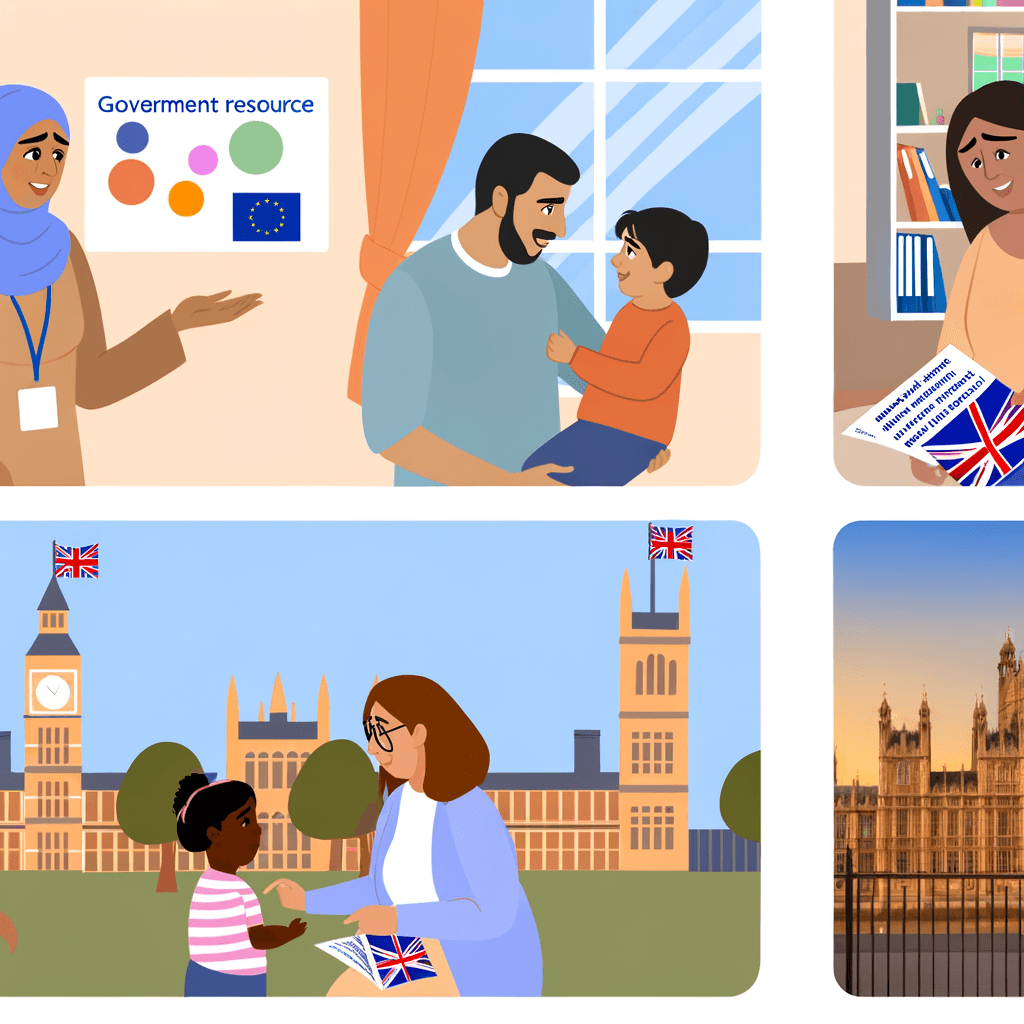
As a parent, you want the best for your child, and that includes ensuring their mental well-being. Navigating the landscape of mental health support in UK childcare can be daunting, but understanding the resources and standards in place can help you make informed decisions. In this blog post, we’ll explore the importance of mental health support within UK childcare environments, available resources, government guidelines, and how quality standards are maintained to ensure the well-being of children.
The Importance of Mental Health in Early Years Education
Why Mental Health Matters
Mental health is just as crucial as physical health, especially in the early years. The experiences children have in these formative years can significantly impact their emotional development and overall well-being. Positive mental health support in childcare settings promotes:
- Emotional regulation: Helping children understand and manage their emotions.
- Social skills development: Encouraging positive interactions with peers.
- Confidence building: Fostering a sense of self-worth and resilience.
Early Signs to Watch For
As parents, being aware of early signs that might indicate a need for support is essential. These can include:
- Changes in behaviour or mood
- Difficulty interacting with peers
- Regression in skills or milestones
- Unexplained physical symptoms like stomach aches or headaches
Government Guidelines and Support Structures
Government Initiatives and Support
The UK government recognises the importance of mental health support in childcare and has initiatives aimed at promoting mental well-being:
- Mental Health Services for Children and Young People (CYPMHS): Provides support for children with mental health issues.
- The Early Years Foundation Stage (EYFS) Framework: Ensures childcare providers promote children's welfare, including their mental health.
Tax-Free Childcare and Childcare Costs
While juggling mental health concerns, managing childcare costs is another challenge. Did you know you could save up to £2,000 per year through the Tax-Free Childcare scheme? Here's a quick breakdown:
- Eligibility: Parents must earn at least the National Minimum Wage for 16 hours a week and have children under 12.
- Savings: For every £8 you pay into your childcare account, the government adds £2, up to £2,000 per child annually.
How Childcare Providers Support Mental Health
Quality Standards in Childcare Settings
In the UK, childcare providers must adhere to strict quality standards, ensuring a supportive environment for children:
- Ofsted Inspections: Regular assessments ensure childcare settings meet the necessary standards for safety and well-being.
- Staff Training: Providers are encouraged to undertake mental health training, equipping them to support children's emotional needs effectively.
Real-World Scenarios and Examples
Consider a nursery where a child shows signs of anxiety. Staff trained in mental health support can:
- Implement calming routines and strategies.
- Work with parents to create a consistent approach at home and in the nursery.
- Engage with external professionals if needed, ensuring comprehensive support.
What Parents Can Do
Supporting Your Child’s Emotional Development
Here are some practical steps you can take to support mental health:
- Open Communication: Encourage your child to express their feelings.
- Routine and Predictability: Create a secure environment with consistent routines.
- Positive Reinforcement: Praise efforts and achievements to build confidence.
Pro Tips for Parents
- Use Resources: Leverage apps and websites dedicated to children's mental health, such as the NHS Apps Library.
- Community Support: Join local parenting groups to share experiences and advice.
Navigating the Challenges of Working Parents
Flexibility and Emergency Care
Balancing work and childcare can be stressful. Consider these options:
- Flexible Working: Many employers offer flexible working arrangements. Don’t hesitate to discuss your needs.
- Emergency Childcare: Some providers offer emergency childcare services, ensuring peace of mind when unforeseen circumstances arise.
Budgeting and Cost Planning
Understanding the financial aspect is vital. Use budgeting tools like the Childcare Calculator on GOV.UK to compare costs and identify savings opportunities.
Regional Considerations
London vs Other Areas
Childcare costs and availability can vary significantly across regions:
- London: Higher demand often means higher costs, but more providers offer specialised services.
- Rural Areas: Fewer options may be available, but community-based care can offer personalised attention.
Conclusion and Next Steps
Ensuring your child’s mental well-being is a journey, but with the right information and resources, you can make informed decisions. Here's what you can do next:
- Research Childcare Providers: Visit potential settings and ask about their mental health support policies.
- Utilise Government Schemes: Apply for Tax-Free Childcare to ease financial pressures.
- Stay Informed: Regularly check for updates on government guidelines and initiatives.
By understanding the support structures in place and taking proactive steps, you can help foster a positive and nurturing environment for your child’s development. Remember, you’re not alone—there's a community and resources ready to support you every step of the way.