
Understanding Childcare Business Insurance Requirements in the UK
Explore the essential insurance requirements for running a childcare business in the UK. Learn about the types of coverage you need to protect your nursery or childminding service and ensure compliance with Ofsted standards.
The TFC Calculator Editorial Team
Source-checked childcare costs and support guidance
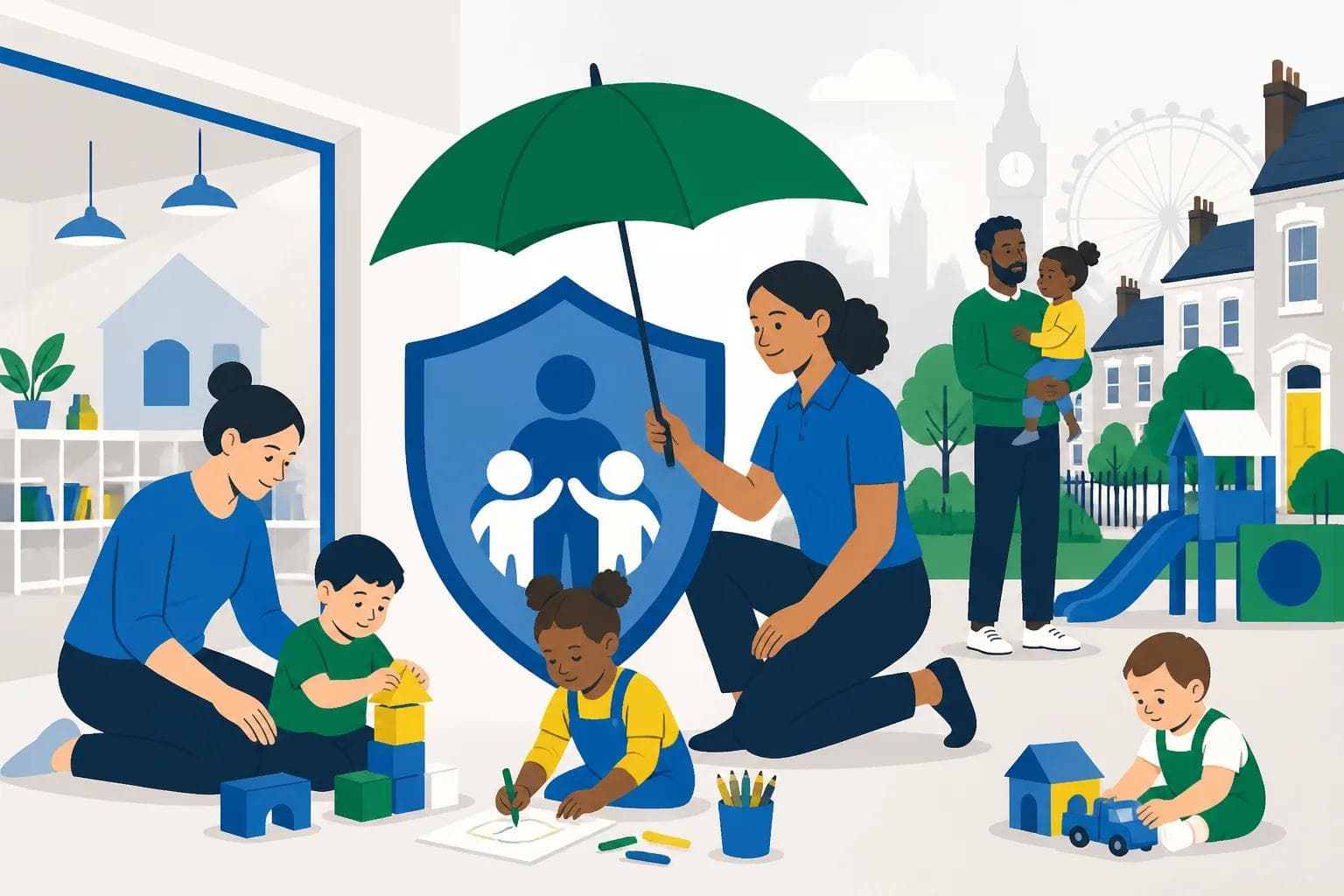
Running a childcare business in the UK is as rewarding as it is demanding. As a provider, whether you're managing a bustling nursery or offering bespoke childminding services, ensuring the safety and protection of the children in your care is paramount. Equally important is safeguarding your business against potential risks and liabilities. This is where childcare business insurance comes into play. Let's delve into the insurance requirements for childcare businesses in the UK, and how it ties into childcare costs, Ofsted ratings, quality standards, health and safety, and financial planning.
Why is Insurance Essential for Childcare Businesses?
Imagine a scenario where a child trips and injures themselves on your premises. Without proper insurance, this could lead to significant financial and reputational damage. Insurance isn't just a safety net; it's a legal requirement and a cornerstone of your financial planning strategy. It helps you manage unforeseen expenses and ensures compliance with Ofsted standards, which ultimately affects your business's reputation and Ofsted ratings.
Types of Insurance Coverage Required
When it comes to running a childcare business, having the right type of insurance is crucial. Here's a breakdown of the essential insurance types you should consider:
1. Public Liability Insurance
Public liability insurance is arguably the most critical form of coverage for childcare providers. It protects you against claims made by third parties for injuries or damages that occur as a result of your business activities. For instance, if a parent slips on a wet floor at your nursery and decides to sue, public liability insurance will cover legal fees and any compensation awarded.
Pro Tip: Ensure your policy covers at least £5 million, which is the minimum requirement for most local councils and Ofsted registration.
2. Employer’s Liability Insurance
If you employ staff, even on a part-time basis, employer’s liability insurance is mandatory. This covers claims from employees who may have been injured or have fallen ill due to their work.
Current Rate (2024-2025): The Health and Safety Executive mandates a minimum cover of £5 million, but many providers opt for higher coverage.
3. Professional Indemnity Insurance
This insurance covers legal costs and expenses incurred in your defence, as well as any damages or costs that may be awarded, if you are alleged to have provided inadequate advice or services that caused a client to lose money.
4. Contents and Property Insurance
Protect your premises and the equipment within. This insurance covers damage from events like fire, theft, or vandalism. Given that nursery setups can involve significant investment in toys, furniture, and educational materials, this coverage is a financial planning must-have.
5. Business Interruption Insurance
This type of insurance can support you financially if an unexpected event disrupts your business operations, such as a fire or flood, by covering lost income and continued fixed costs.
How Insurance Affects Childcare Costs
Insurance premiums are a significant component of operational costs for childcare businesses, influencing the fees you charge parents. Here's how to keep these costs manageable:
- Shop Around: Different insurers offer varying rates. Use comparison tools to find competitive quotes.
- Bundle Policies: Some insurers offer discounts if you purchase multiple types of coverage from them.
Example: If your annual insurance cost is £1,500, incorporating it into your annual budget allows you to spread this cost across the monthly fees charged to parents.
Meeting Quality Standards and Health & Safety Requirements
Insurance is not just about financial protection; it's intertwined with maintaining high quality and safety standards, which are critical for achieving favourable Ofsted ratings.
Health & Safety Compliance
Having comprehensive insurance often requires adhering to strict health and safety regulations, which are also a focus of Ofsted inspections. This includes having clear safety procedures, training staff, and maintaining a safe environment for children.
Quality Standards
High-quality care is inseparable from safe and secure environments. Insurance providers often require evidence of robust safety measures and staff training, which align with Ofsted’s quality care benchmarks.
Practical Steps for Ensuring Compliance
- Conduct a Risk Assessment: Regularly assess potential risks in your childcare setting. This not only aids in choosing the right insurance coverage but is also a key part of your Ofsted compliance.
- Document Everything: Maintain detailed records of incidents, training, and safety checks. These documents are invaluable when negotiating insurance terms and during Ofsted inspections.
- Consult with Experts: Engage with insurance brokers who specialize in childcare to ensure your coverage meets not only legal requirements but also the specific needs of your business.
Actionable Next Steps
- Review Your Current Insurance Policies: Ensure they are up to date and reflect any changes in your business operations.
- Budget for Insurance Costs: Include these in your financial planning to avoid unexpected expenses.
- Schedule Regular Training: Keep your staff informed about safety protocols and incident management to mitigate risks.
- Stay Informed on Ofsted Updates: Regulatory changes can affect both insurance requirements and inspection outcomes.
Running a childcare business in the UK involves navigating a landscape of regulatory requirements and financial considerations. By understanding and securing the right insurance coverages, you protect not only your business but also the children and families who rely on your services. With the right planning, you’ll also be better positioned to manage childcare costs, maintain high-quality standards, and achieve stellar Ofsted ratings.