
Supporting Mental Health During Your Child's Transition to Childcare
Explore essential strategies and resources to support your child's mental health during the transition to childcare. Learn how to ease separation anxiety and ensure a smooth adjustment for both parents and children.
The TFC Calculator Editorial Team
Source-checked childcare costs and support guidance
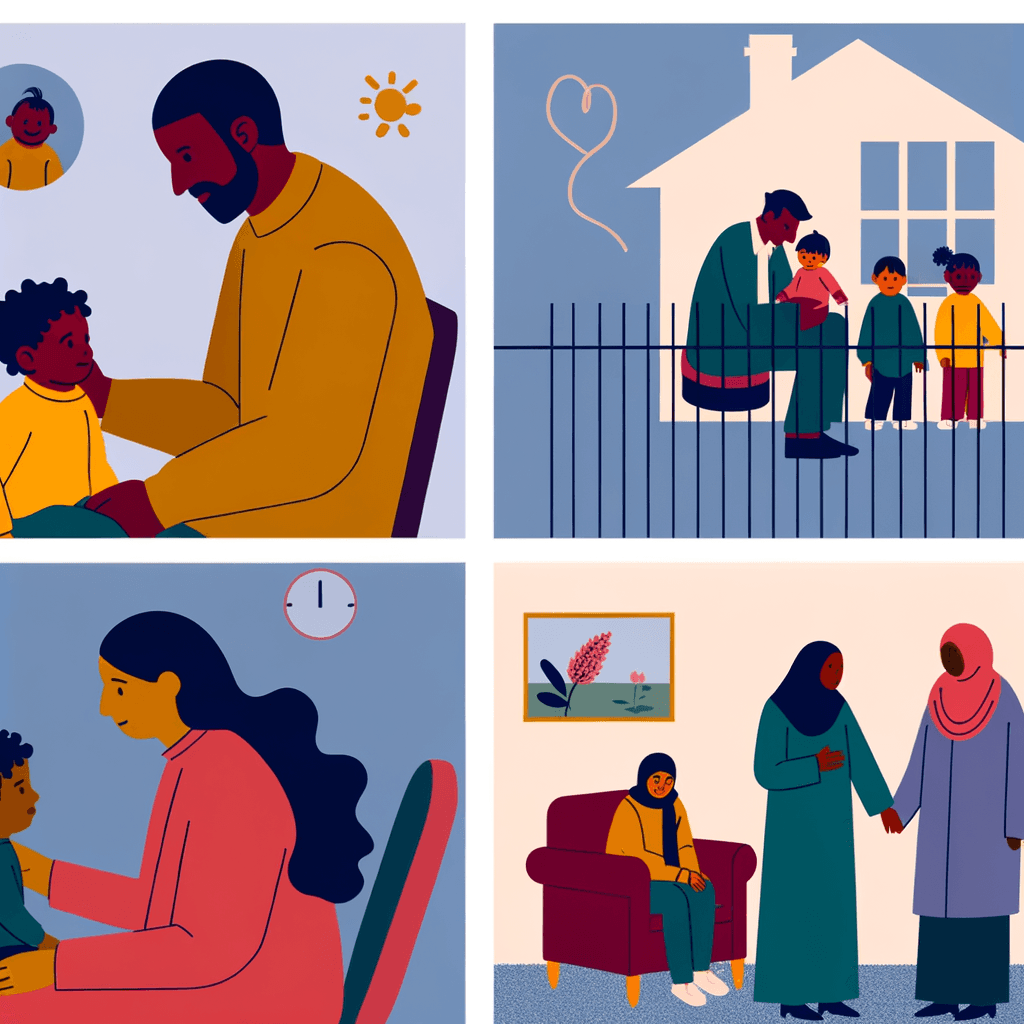
Transitioning your child to a childcare setting is a significant milestone, and while it can be exciting, it can also be a source of stress and anxiety for both you and your child. This blog post will explore essential strategies and resources to support your child's mental health during this transition, focusing on easing separation anxiety and ensuring a smooth adjustment for everyone involved.
Understanding the Emotional Impact
Separation Anxiety: What to Expect
Separation anxiety is a common and normal part of early childhood development. Most children will experience some form of anxiety when parted from their parents or caregivers, especially when starting at a nursery or childminder for the first time. This anxiety often peaks between 6 months and 3 years of age.
Signs of Separation Anxiety:
- Clinging to parents
- Crying or tantrums when parent leaves
- Reluctance to go to sleep alone
- Fear of being alone or without a parent
Understanding these signs can help you prepare and respond effectively, making the transition smoother for both you and your child.
Preparing for the Transition
1. Gradual Introduction
Start by gradually introducing your child to the childcare environment. Many nurseries and childminders in the UK offer settling-in sessions, where you can spend time with your child in the new setting before they start attending full-time. This helps build familiarity and comfort.
Pro Tip: Plan these visits during quieter times of the day, allowing your child to explore without feeling overwhelmed by larger groups.
2. Establish a Routine
Children thrive on routine, and establishing a consistent daily schedule can provide a sense of security. Begin by aligning your home routine with the childcare routine a few weeks before the start date. This can include meal times, nap times, and play times.
3. Talk About the Change
Communication is key. Talk to your child about what to expect when they start childcare. Use simple language and be positive, explaining that they will meet new friends and play with new toys. Reading books about starting nursery can also be helpful.
Managing the Transition
1. The Drop-Off Routine
Creating a consistent drop-off routine can ease anxiety for both you and your child. Here are some tips:
- Quick Goodbyes: Prolonged goodbyes can amplify anxiety. Keep your farewell brief but affectionate.
- Goodbye Rituals: Develop a special goodbye ritual, such as a high-five or a special phrase, to provide comfort.
- Reassurance: Always reassure your child that you will return, and make sure to follow through on that promise.
2. Encourage Independence
Encouraging independence can help your child feel more confident in a new setting. Simple tasks like choosing their clothes or packing their bag can give them a sense of control and preparation.
Supporting Mental Health
1. Open Communication
Maintain open communication with your child's carers. Regularly discuss your child's progress and any concerns you might have. Most UK childcare providers are trained to support children through transitions and can offer valuable insights and strategies.
2. Monitor Behaviour
Pay attention to any changes in your child's behaviour at home. While some anxiety is normal, persistent distress might require additional support. If needed, consider consulting a child psychologist or your GP for advice.
3. Provide Emotional Support
Create a supportive home environment where your child feels safe to express their emotions. Encourage discussions about their day and validate their feelings, letting them know it's okay to feel anxious or upset.
Financial Considerations
Tax-Free Childcare and Government Support
Understanding the financial aspects of childcare can also reduce stress for parents. In the UK, you might be eligible for the Tax-Free Childcare scheme, which can save you up to £2,000 per child per year. Additionally, if your child is 3 or 4 years old, you might qualify for 15 or 30 hours of free childcare, depending on your circumstances.
How to Apply:
- Tax-Free Childcare: Apply online through the UK government website. Ensure you meet the income requirements—both parents must earn at least £152 per week.
- 15/30 Hours Free: Check eligibility and apply through your local council's website.
Budgeting for Childcare Costs
Childcare costs can vary significantly across the UK. For instance, London-based nurseries can be more expensive than those in rural areas. Use comparison tools to explore different childcare options and find a setting that fits your budget.
Example Calculation:
If you're using a nursery that charges £60 per day and you qualify for 30 hours of free childcare, this could save you approximately £1,800 a term, assuming a standard school-term duration of 12 weeks.
Final Thoughts and Next Steps
Transitioning your child to childcare is a big step, but with preparation and support, it can be a positive experience. By understanding and addressing the emotional aspects, maintaining open lines of communication with carers, and leveraging available financial support, you can ease your child's transition and ensure their mental well-being.
Actionable Next Steps:
- Arrange settling-in sessions with your chosen childcare provider.
- Apply for Tax-Free Childcare and check eligibility for free hours.
- Create a consistent drop-off routine with your child.
- Keep communication open with both your child and their carers.
Remember, every child is different, and some may take longer to adjust than others. Patience, understanding, and support are your best tools to help your child thrive in their new environment.