
Navigating UK Childcare Business Regulations: A Compliance Guide for Providers
Discover essential compliance guidelines for running a childcare business in the UK. Understand Ofsted ratings, health and safety standards, and legal requirements to ensure your childcare service meets all necessary regulations.
The TFC Calculator Editorial Team
Source-checked childcare costs and support guidance
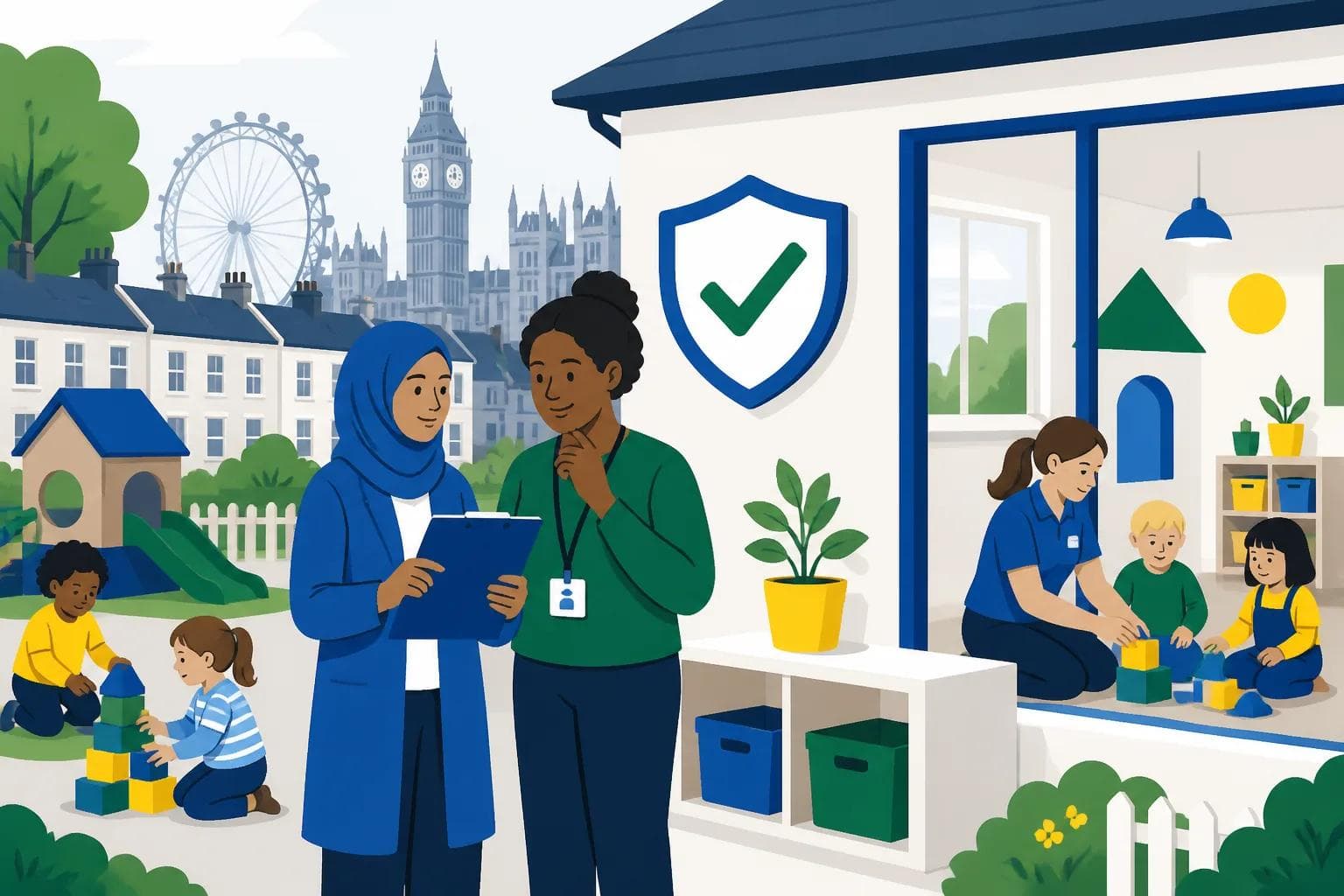
Running a childcare business in the UK is both rewarding and challenging. While you are helping shape young minds, you're also navigating a complex web of regulations to ensure your service is compliant, safe, and high-quality. Let's dive into the essentials of UK childcare business regulations to keep your business thriving and your little clients safe and happy.
Understanding Ofsted Ratings
Ofsted (Office for Standards in Education, Children's Services and Skills) inspections can often feel daunting, but they're an essential part of maintaining quality standards. Your Ofsted rating is a reflection of your service's quality and can significantly influence parents' decision-making.
What are Ofsted Ratings?
Ofsted ratings range from "Outstanding" to "Inadequate," assessing factors like the quality of education, behaviour and attitudes, personal development, and leadership and management. Here's a quick breakdown:
- Outstanding: Exceptionally high standards across the board.
- Good: Strong overall performance, with minor areas for improvement.
- Requires Improvement: Some areas need enhancement before being rated as "Good."
- Inadequate: Significant shortcomings that must be addressed promptly.
Pro Tip: Regularly review the Ofsted inspection handbooks and reports for insights on improving your setting. Engage in continuous professional development to keep your skills and knowledge up to date.
Meeting Quality Standards
Quality in childcare goes beyond just meeting the minimum requirements. It's about providing an enriching, supportive, and safe environment where children can thrive.
Key Quality Standards
- Staff Qualifications and Ratios: Ensure your team meets the minimum qualification levels. For instance, at least one staff member must hold a Level 3 qualification, and half the remaining staff should have a Level 2 qualification. Ratios matter too: 1:3 for children under 2 years, 1:4 for 2-year-olds, and 1:8 for 3- to 7-year-olds.
- Curriculum and Learning: Follow the Early Years Foundation Stage (EYFS) framework, which sets standards for learning, development, and care for children from birth to 5 years old.
- Parental Engagement: Keep communication lines open with parents. Regular updates and involvement in their child's development can enhance their experience and trust in your service.
Example: A nursery in Birmingham improved its rating from "Requires Improvement" to "Good" by investing in staff training and enhancing parent communication strategies. This not only boosted their rating but also attracted more enrolments.
Health and Safety Standards
Safety should be the cornerstone of your childcare business. Not only is it a regulatory requirement, but it's also a critical element of trust with parents.
Essential Health and Safety Practices
- Risk Assessments: Conduct regular risk assessments to identify and mitigate potential hazards. This includes everything from playground equipment checks to fire safety drills.
- Cleanliness and Hygiene: Maintain high standards of cleanliness to prevent the spread of illness. Regular handwashing, sanitizing toys and surfaces, and proper food handling are non-negotiables.
- First Aid: Staff should have up-to-date first aid training. The Health and Safety Executive (HSE) recommends paediatric first aid training for all staff.
Pro Tip: Use a health and safety checklist to ensure all areas are covered. Apps like "SafetyCulture" can help streamline this process, making it easier to track and report safety checks.
Navigating Legal Requirements
Beyond Ofsted and quality standards, there are several legal obligations to consider.
Key Legal Considerations
- Insurance: Ensure you have the correct insurance in place, including public liability insurance and employer's liability insurance.
- Data Protection: Comply with the General Data Protection Regulation (GDPR) to protect children's and parents' personal information.
- Employment Law: Be aware of your responsibilities as an employer, from contracts and working hours to fair treatment and equal opportunities.
Practical Steps to Compliance
- Stay Informed: Regulations can change, so keep abreast of updates from Ofsted and relevant government bodies.
- Regular Training: Invest in ongoing training for yourself and your staff to ensure everyone is knowledgeable about current standards and practices.
- Join Networks: Consider joining professional bodies like the National Day Nurseries Association (NDNA) for support, resources, and networking opportunities.
- Seek Feedback: Regularly ask for feedback from parents and staff to identify areas for improvement.
- Plan Financially: Understand that maintaining compliance involves costs. Budget for training, resources, and improvements to facilities.
Conclusion: Taking the Next Steps
Navigating the compliance landscape of a UK childcare business might seem overwhelming, but with the right approach, it becomes manageable. Start by understanding the key areas of regulation—Ofsted ratings, quality standards, and health and safety—and implement practical strategies to meet these requirements.
Actionable Next Steps:
- Schedule regular internal audits to evaluate compliance.
- Set up a dedicated compliance team or assign a compliance officer within your setting.
- Develop a comprehensive training plan for staff to cover all essential areas.
By prioritizing compliance, you not only protect your business but also ensure that you're providing the highest quality care to children, earning the trust and confidence of their families. With these steps, you're well on your way to running a successful and compliant childcare business in the UK.