
Navigating Cultural Dietary Requirements in UK Childcare Settings
Discover how UK childcare providers accommodate diverse cultural dietary needs, ensuring your child's nutritional requirements are met while respecting cultural traditions. Learn about Ofsted standards and practical tips for parents and carers.
The TFC Calculator Editorial Team
Source-checked childcare costs and support guidance
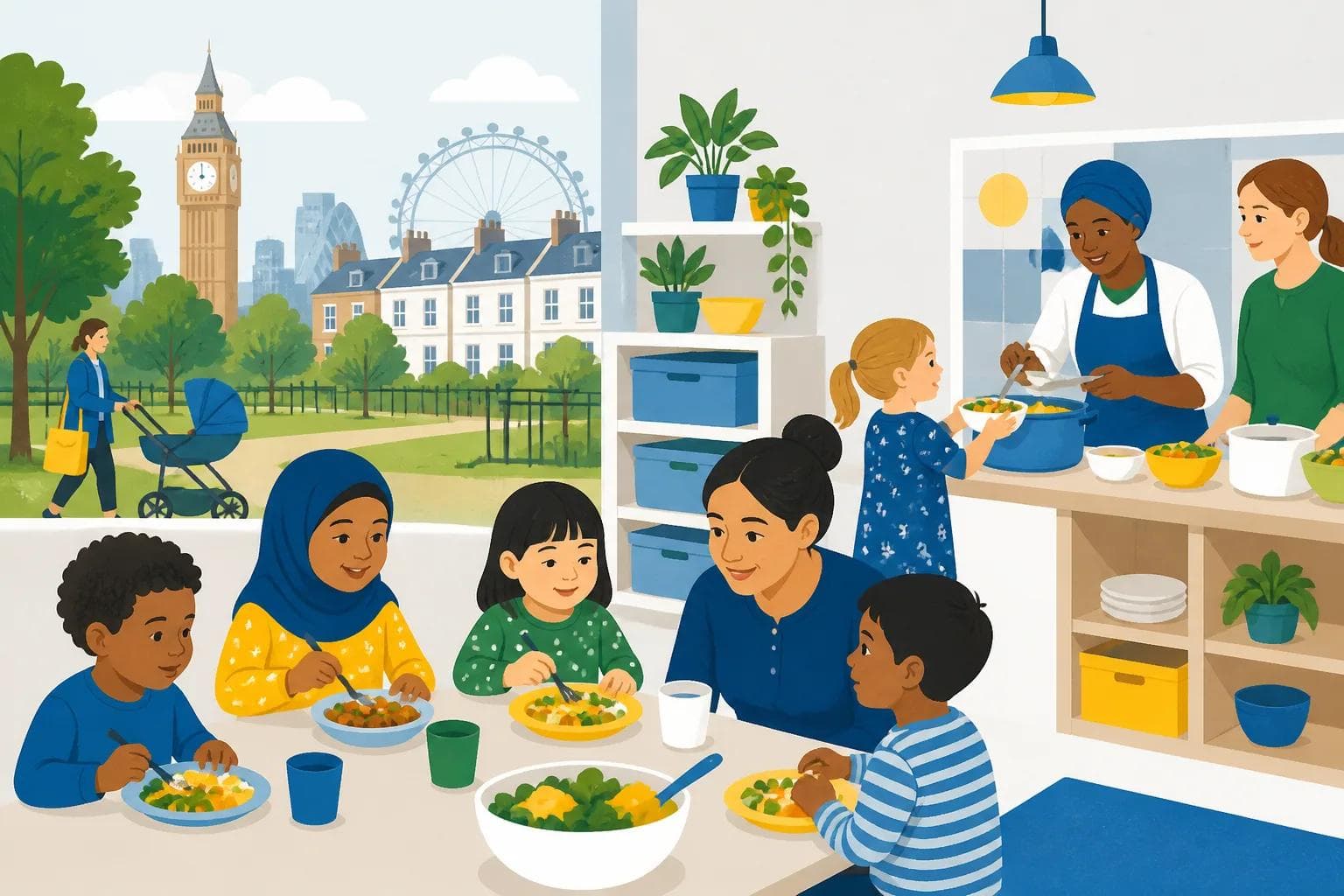
As a working parent in the UK, choosing the right childcare setting for your child involves numerous considerations—one of the most pressing being how well a provider can accommodate your child's unique dietary needs. Whether due to cultural dietary requirements or food allergies, ensuring your child's nutritional needs are met while respecting cultural traditions is critical. Let’s explore how UK childcare providers are rising to this challenge, how you can support them, and what you should look out for when selecting a childcare provider.
Understanding the Challenge
Imagine this: you’ve found a wonderful nursery that your child loves, but you’re concerned about how they handle diverse dietary needs. With the UK being a cultural melting pot, it's not uncommon for childcare settings to cater to an array of dietary requirements, from Halal and Kosher meals to vegetarian and vegan diets. Additionally, food allergies add another layer of complexity.
The Importance of Cultural Sensitivity
Cultural dietary requirements are more than just food preferences; they're often tied to religious beliefs and practices. For instance, many Muslim families observe Halal dietary laws, while Jewish families may follow Kosher guidelines. Vegetarianism and veganism can be cultural, ethical, or health-related choices. Early-years education settings must respect these practices to foster an inclusive environment.
Childcare Costs and Dietary Accommodation
One of the first questions that may come to mind is: How will these accommodations impact childcare costs? Generally, most childcare providers in the UK do not charge extra for catering to dietary needs, but it’s always best to confirm this with your potential provider.
Practical Tips for Parents
- Inquire Early: When visiting potential childcare settings, ask about their policies on catering to cultural dietary requirements and food allergies. Do they have experience? What measures are in place to prevent cross-contamination?
- Communicate Clearly: Provide detailed written instructions about your child's dietary needs, including forbidden foods and any acceptable substitutes.
- Documentation: Ensure that any dietary needs are documented in your child's care plan and regularly reviewed.
- Shared Responsibility: Engage in open dialogue with the carers and offer suggestions or resources that may help them cater to your child’s needs.
Pro Tip
Utilise Tax-Free Childcare: If you're eligible, using the Tax-Free Childcare scheme can ease the financial burden. The government pays £2 for every £8 you pay into your childcare account, up to a maximum of £2,000 per child per year (or £4,000 for a disabled child). This can help cover the cost of meals and other related expenses.
Health and Safety Considerations
Safety is paramount when dealing with food allergies and cultural dietary requirements. The UK has stringent guidelines to ensure health and safety in early-years settings.
Ofsted Standards
- Compliance: All registered childcare providers must comply with Ofsted standards, which require them to have policies in place to handle food allergies and special dietary needs.
- Training: Staff should be trained to recognize signs of allergic reactions and know how to respond in an emergency.
Food Allergy Management
- Labeling: Ensure that all foods brought into the childcare setting are labeled with ingredients to avoid accidental exposure.
- Allergy Plans: Work with the provider to create an allergy action plan, detailing symptoms and emergency contact information.
Real-World Scenarios
Consider a case where a nursery in London caters to a diverse group of children, including those requiring Halal meals and those with nut allergies. The nursery implements a rotating menu that highlights different cultural cuisines each week, all while ensuring meals are nut-free. They use separate utensils and preparation areas to prevent cross-contamination.
Regional Variations
The approach to accommodating dietary needs can vary. Urban areas like London may have more experience and resources due to greater diversity, whereas rural areas might require more input from parents to develop suitable solutions.
Budgeting and Planning
Creating a budget that accommodates additional costs associated with special dietary requirements is crucial. Use online tools and calculators to estimate your childcare expenses accurately. Websites like MoneyHelper offer free budgeting tools tailored to UK families.
Saving Strategies
- Flexible Working: Consider flexible working arrangements to reduce the number of days your child needs to attend childcare, thereby potentially reducing costs.
- Shared Childcare: Explore shared childcare options with other families who have similar dietary needs to split costs.
Actionable Next Steps
- Research and Visit: Visit multiple childcare providers to compare how they handle dietary needs.
- Engage: Actively engage with carers to ensure they understand your child's unique requirements.
- Regular Reviews: Schedule regular reviews of your child’s dietary plan with the provider.
- Utilise Support Schemes: Make the most of government schemes like the 15/30 hours free childcare and Universal Credit childcare element if eligible.
Navigating cultural dietary requirements in UK childcare settings requires diligence, clear communication, and proactive planning. By taking these steps, you can ensure that your child's nutritional needs are met respectfully and safely, allowing you peace of mind as you focus on balancing work and family life.