
Navigating Childcare Transport in Rural UK Areas: A Guide for Parents
Discover the challenges and solutions for accessing childcare in rural UK regions. This guide covers available transport options, government support, and practical tips for parents to ensure seamless childcare access.
The TFC Calculator Editorial Team
Source-checked childcare costs and support guidance
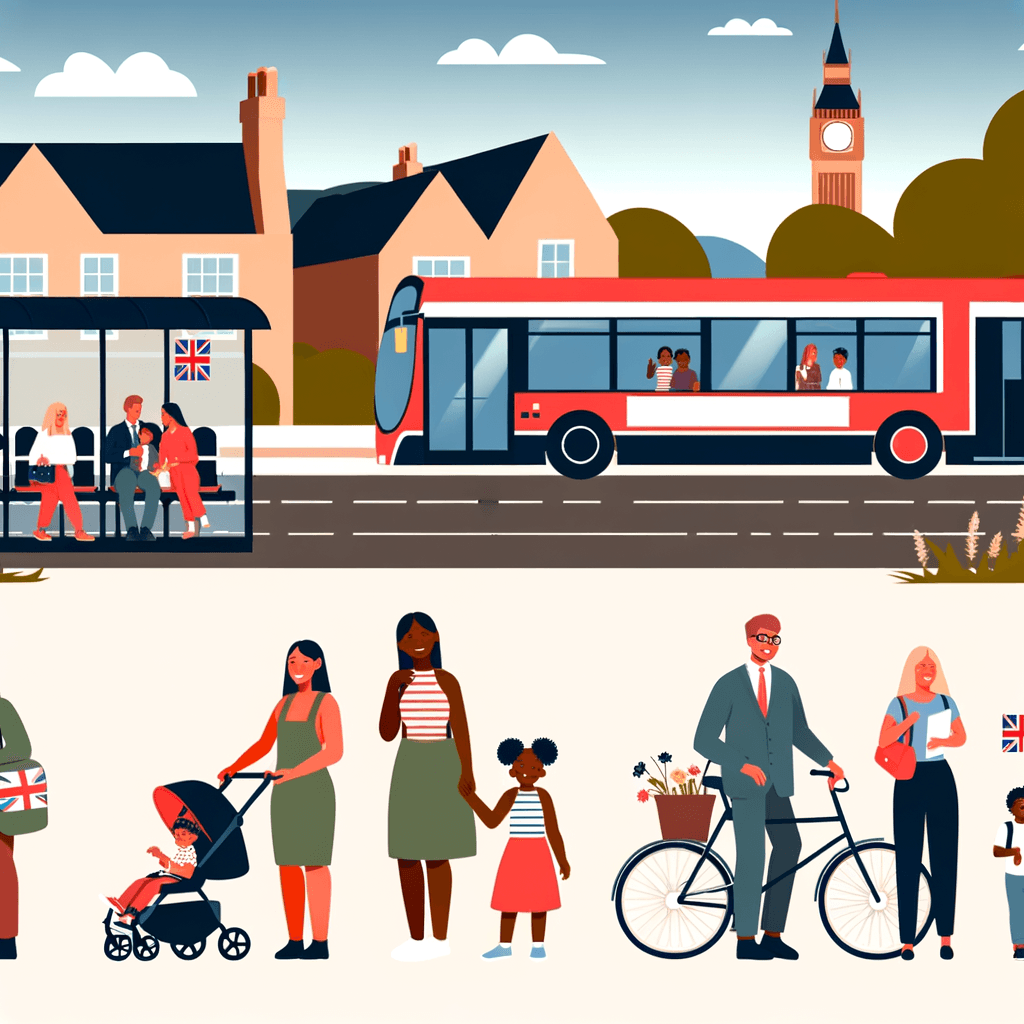
Accessing childcare in rural UK regions often presents unique challenges for families. The picturesque countryside, while charming, can come with logistical hurdles that urban dwellers might not encounter. From sparse public transport options to higher regional childcare costs, rural parents face distinct obstacles. But fear not! This guide will provide you with practical solutions, highlight government support options, and offer tips to ease your childcare transport woes.
The Rural Childcare Challenge
For many UK families living in rural areas, the journey to childcare can feel like an expedition. Unlike urban centres where nurseries and childminders might be a short bus ride away, rural parents often deal with:
- Limited public transport: Bus services may be infrequent or non-existent, and train stations might be miles away.
- Higher transport costs: Driving becomes a necessity, leading to increased fuel expenses.
- Time constraints: Longer travel times can eat into your day, affecting work schedules and family time.
The Impact on Childcare Costs
Transport issues can significantly inflate the overall cost of childcare. Here’s a quick breakdown of how these factors might affect your budget:
- Fuel Expenses: With petrol prices averaging around £1.50 per litre in 2024, a 20-mile round trip to your childcare provider five days a week could add up to an extra £100-£150 per month.
- Vehicle Maintenance: Increased mileage means more frequent servicing and higher wear and tear costs.
- Time Costs: Time spent on the road is time not spent working or being with family, potentially leading to the need for reduced working hours or flexible arrangements.
Government Support: Making Childcare More Affordable
Despite these challenges, the UK government offers several schemes to help ease the financial burden of childcare:
Tax-Free Childcare
This scheme allows working parents to open an online account and deposit funds for childcare costs, with the government adding an extra 20% on top (up to £2,000 per child per year). Here’s a quick step-by-step to get started:
- Check Eligibility: You and your partner (if applicable) must each earn at least £152 per week but less than £100,000 per year.
- Open an Account: Register on the GOV.UK website to create your Tax-Free Childcare account.
- Deposit Funds: For every £8 you deposit, the government adds £2, up to the annual limit.
- Pay Providers: Use your account to pay registered childcare providers directly.
Free Childcare Hours
Parents of 3 and 4-year-olds can access up to 30 hours of free childcare per week during term time. This can be a significant cost-saver, especially if your provider is within a reasonable distance.
- Pro Tip: Check if your provider offers flexible hours outside of term time to make the most of this scheme year-round.
Universal Credit Childcare Element
If you’re on Universal Credit, you could claim back up to 85% of your childcare costs. This is particularly beneficial for low-income families balancing work commitments.
Practical Tips for Navigating Childcare Transport
Carpooling and Ride-Sharing
Consider organizing a carpool with other local parents. This not only reduces petrol costs but also fosters community spirit.
- Pro Tip: Use apps or local forums to connect with parents in your area interested in carpooling.
Flexible Working Arrangements
Discuss flexible hours or remote working options with your employer. This can help accommodate the longer travel times associated with rural childcare.
Local Community Resources
Investigate local community transport schemes or volunteer driver programs. These can offer affordable alternatives to public transport or driving your own vehicle.
Key Considerations for Working Parents
Emergency Care Planning
Rural living can complicate last-minute childcare needs. Establish a network of trusted friends, family, or local childminders who can step in at short notice.
Budget Planning
Use online calculators to estimate your monthly childcare and transport costs. This can help you identify potential savings and make informed decisions about work and childcare commitments.
Return-to-Work Strategies
For new parents re-entering the workforce, consider part-time roles or job-sharing opportunities that minimize travel stress and maximize time at home.
Regional Variations in Costs
Childcare costs can vary significantly across the UK, with rural areas sometimes experiencing higher fees due to lower competition and availability. Here’s a quick comparison:
- London vs. Rural Areas: While London has higher nominal fees, rural areas may have fewer options, potentially leading to higher prices for quality providers.
- Pro Tip: Research local childminders who might offer more flexible and affordable care than larger nurseries.
Conclusion
Navigating childcare transport in rural UK areas requires strategic planning, community engagement, and a thorough understanding of available government support. By leveraging schemes like Tax-Free Childcare and utilizing local resources, parents can alleviate some of the financial and logistical stresses of rural childcare.
Next Steps
- Assess Your Eligibility for government schemes and apply as soon as possible.
- Network with Local Parents to explore carpooling or shared childcare solutions.
- Discuss Flexible Work Options with your employer to better accommodate travel needs.
With the right strategies in place, you can ensure that your childcare journey is as smooth and cost-effective as possible, leaving more time for what truly matters – spending quality time with your family.