
Flexible Childcare Arrangements: A Guide for UK Working Parents
Discover how flexible childcare arrangements can ease the transition back to work for UK parents. Learn about government support, budgeting tips, and how to find the right childcare option for your family.
The TFC Calculator Editorial Team
Source-checked childcare costs and support guidance
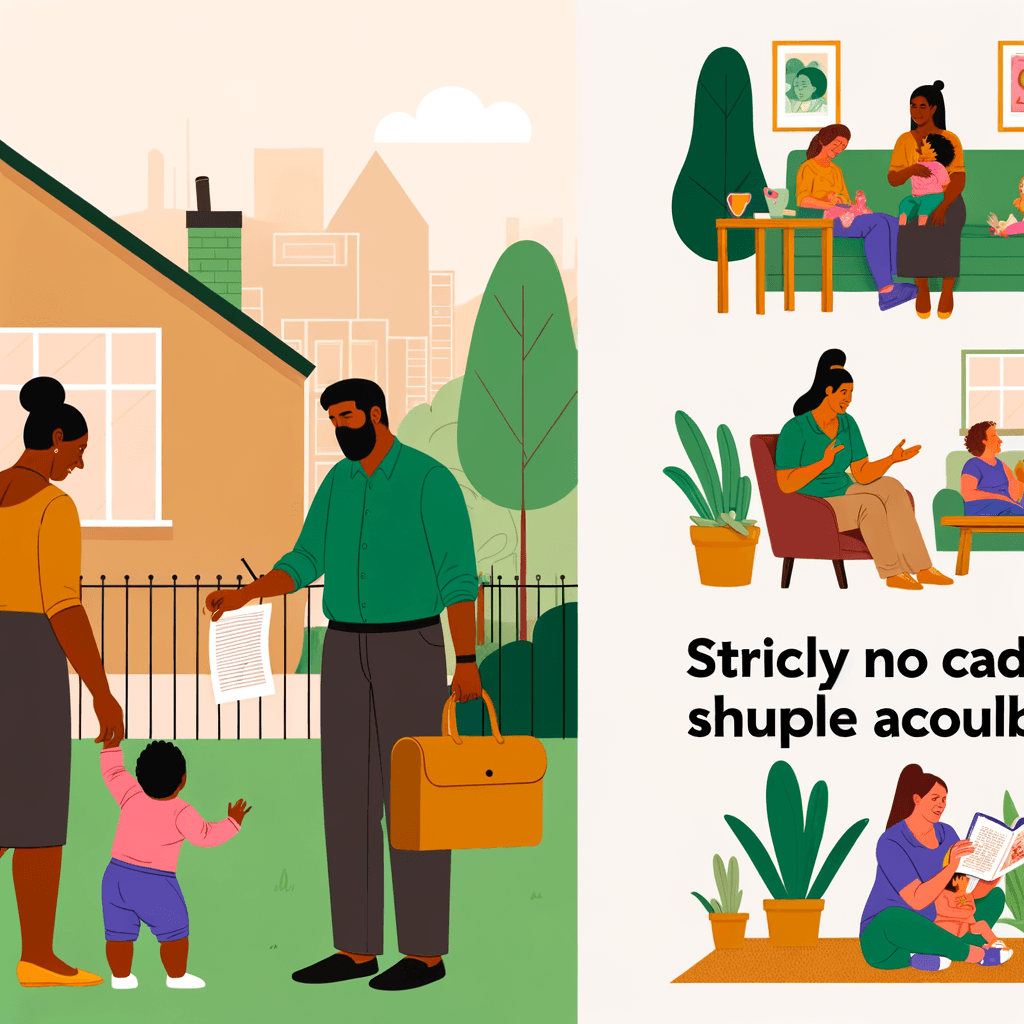
Juggling the demands of work and family life can feel like a high-wire act for many UK working parents. With the cost of living rising and the need for both parents to work, finding the right childcare solution is essential. But fear not! Flexible childcare arrangements can ease the transition back to work and provide the support you need. Let’s explore some key strategies and government support available to help you navigate this journey.
The Reality of Childcare Costs in the UK
Childcare costs can be a significant burden. In 2024, the average cost of sending a child under two to nursery full-time in the UK is around £14,000 per year. For many families, this can be more than their mortgage payments. But there are ways to make it more manageable.
Tax-Free Childcare
One of the most beneficial schemes is Tax-Free Childcare. For every £8 you pay into your childcare account, the government adds £2, up to a maximum of £2,000 per child per year (or £4,000 for disabled children). Here’s how you can get started:
- Eligibility: To qualify, you and your partner (if you have one) must be working and earning at least £152 per week each but not more than £100,000 annually.
- Application Process: Set up your account through the UK Government's Childcare Service. It’s straightforward, and you’ll receive a decision within a few days.
- Savings Example: If your childcare costs are £800 per month, you would pay £640, and the government would contribute £160. Over a year, that's a saving of £1,920 per child.
Pro Tip: Use the Tax-Free Childcare Calculator to see how much you could save.
Government Support: 15/30 Hours Free Childcare
The government offers 15 hours of free childcare per week for all 3 and 4-year-olds, and up to 30 hours for working parents. This can significantly reduce your childcare expenses.
How It Works
- 15 Hours Universal Entitlement: Available to all children aged 3 and 4.
- 30 Hours Extended Entitlement: Available to working parents who meet the income criteria (similar to Tax-Free Childcare).
- Application: Apply via the Childcare Choices website. Ensure you apply the term before your child turns three.
Budgeting Tips for Childcare Costs
Plan Ahead
- Budget: Start by calculating your monthly childcare expenses. Include all potential costs like meals, extracurricular activities, and any additional hours beyond the free entitlement.
- Compare Options: Use comparison tools and websites to evaluate costs in your area. Prices can vary significantly between nurseries, childminders, and nannies.
- Flexible Working: Consider negotiating flexible-working arrangements with your employer. Options like compressed hours, job sharing, or remote working can reduce the need for full-time childcare.
Saving Strategies
- Childcare Vouchers: These are now closed to new applicants, but if you’re already enrolled, continue to maximize their benefits.
- Universal Credit Childcare Element: If you're eligible for Universal Credit, you can claim back up to 85% of your childcare costs.
Pro Tip: Regularly review your childcare needs and costs. As children grow, their needs change, and so do the available options.
Flexible Working Arrangements
Flexible working is no longer a perk but a necessity for many working parents. Here are some strategies to discuss with your employer:
Types of Flexible Working
- Remote Working: Even a few days from home can make a significant difference in managing childcare.
- Flexible Hours: Adjust your start or finish times to drop off or pick up your child.
- Part-Time Work: Consider reducing hours temporarily as you transition back to work.
Steps to Implement
- Formal Request: Submit a formal request for flexible working to your employer. Outline how this will benefit both you and the company.
- Trial Period: Suggest a trial period to demonstrate that flexible working is feasible.
- Regular Check-Ins: Schedule regular meetings with your manager to discuss how the arrangement is working and make adjustments as needed.
Tackling Working Parent Challenges
Returning to work can be daunting. Here’s how to make it smoother:
- Emergency Care: Have a plan for unexpected situations, such as a list of backup carers or nearby emergency childcare providers.
- Support Network: Build a community of fellow parents who can offer advice, babysitting swaps, or just a listening ear.
- Prepare for Transitions: Gradually increase your child’s time in childcare before returning to work. This helps both you and your child adjust to the new routine.
Regional Considerations
Childcare costs and availability can vary widely between London and other areas, as well as between urban and rural settings.
- London vs Other Areas: Expect higher costs in London, but also more options. Look for community nurseries or cooperative childcare setups which can be more affordable.
- Rural vs Urban: In rural areas, options might be limited, so consider childminders or local playgroups.
Next Steps for UK Working Parents
- Evaluate Your Needs: Assess your family’s specific childcare needs and financial situation.
- Research Options: Use tools like Childcare Choices to explore different childcare supports and calculate potential savings.
- Plan Your Return: Develop a clear plan for returning to work, including flexible-working discussions and childcare arrangements.
By understanding the available options and making informed decisions, you can create a childcare plan that supports your family’s needs and eases the transition back to work. Remember, the right balance is possible with a little planning and the right resources. Good luck!