
Chain Nursery vs Independent Nursery: Which is Best for Your Child?
Explore the pros and cons of chain nurseries compared to independent nurseries in the UK. Understand the differences in costs, quality standards, and Ofsted ratings to make an informed decision for your child's early years education.
The TFC Calculator Editorial Team
Source-checked childcare costs and support guidance
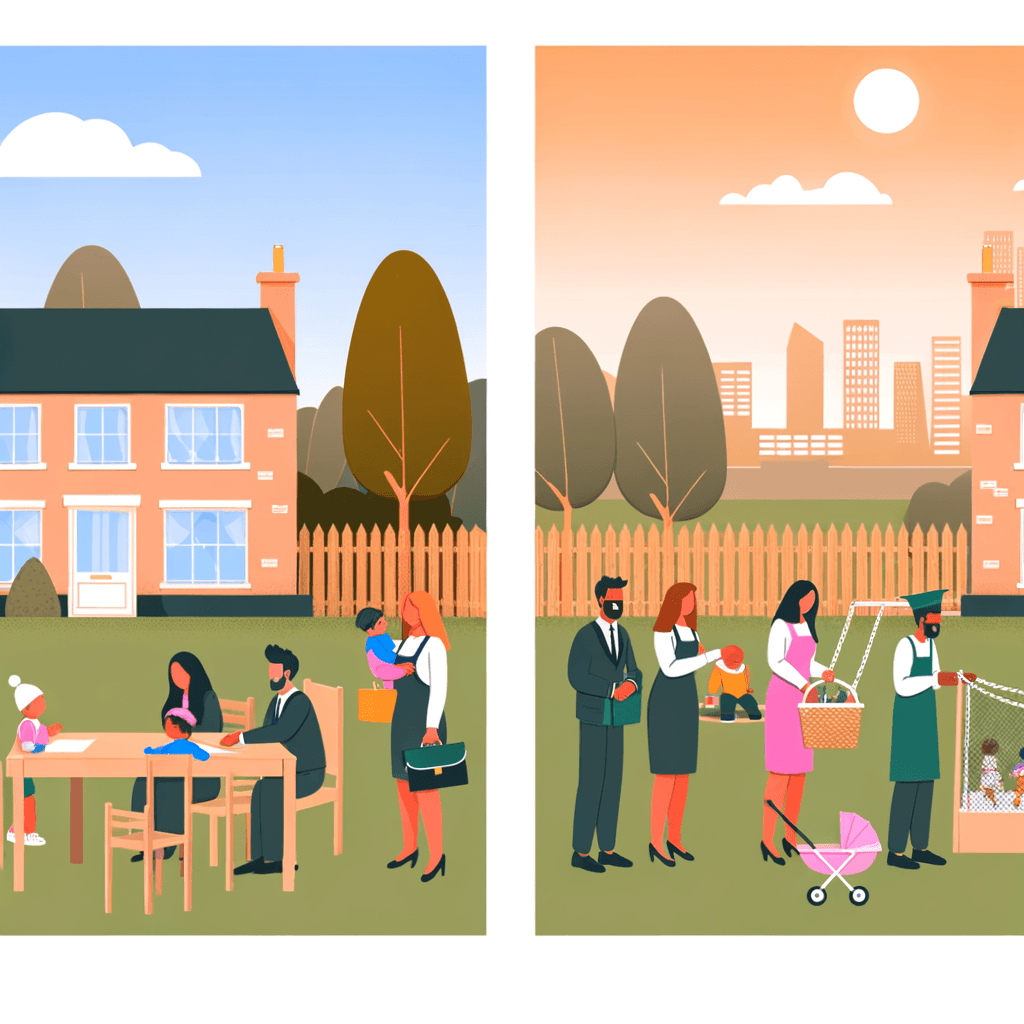
Choosing the right nursery for your child is one of the most important decisions you'll make as a parent. It can feel overwhelming with so many factors to consider: childcare costs, Ofsted ratings, and the differences between chain and independent nurseries. Let's dive into these nuances to help you decide which might be the best fit for your family.
Understanding the Basics: Chain vs Independent Nurseries
When we talk about chain nurseries, we're referring to those operated by a larger organization with multiple locations across the UK. Think of them as the "big names" in childcare, like Bright Horizons or Busy Bees. Independent nurseries, on the other hand, are owned and operated by local individuals or small groups, often with just one or a few locations.
Pros and Cons of Chain Nurseries
Pros:
- Consistency and Standards: Chain nurseries often have standardized procedures, curriculum, and policies across all their locations, which can ensure a consistent level of care.
- Resources and Facilities: Being part of a larger organization often means better access to modern facilities and resources like playgrounds, educational materials, and technology.
- Flexibility: Many chain nurseries offer flexible hours and the ability to transfer your child to another location if you move.
Cons:
- Less Personalized Care: Due to their size, chain nurseries might not provide the same level of personalized attention as an independent nursery.
- Higher Costs: They might be more expensive due to their brand name and facilities.
Pros and Cons of Independent Nurseries
Pros:
- Personalized Attention: Smaller staff-to-child ratios can mean more individualized care and attention for your child.
- Community Feel: Often deeply rooted in the local community, these nurseries might offer a more intimate and friendly environment.
- Flexibility in Curriculum: Independent nurseries often have more freedom to tailor their curriculum to the needs and interests of the children.
Cons:
- Varied Standards: Without a central governing body, the quality and standards can vary widely between independent nurseries.
- Limited Resources: They may not have the same access to resources and facilities as larger chains.
Comparing Childcare Costs
Childcare costs vary significantly across the UK, influenced by factors like location, nursery type, and the age of your child. Here's a breakdown of what you might expect:
- Chain Nurseries: Typically, fees for chain nurseries in urban areas like London can range from £1,200 to £1,500 per month for full-time care. However, they often offer discounts for siblings or referrals.
- Independent Nurseries: These can be slightly less expensive, with fees ranging from £1,000 to £1,300 per month. The cost often reflects the nursery's location and facilities.
Government Support Options
The UK government offers several schemes to help manage these costs:
- Tax-Free Childcare: Eligible parents can receive up to £2,000 per child per year to help cover childcare costs. This scheme is available for children up to 11 years old.
- 30 Hours Free Childcare: For 3 and 4-year-olds, working parents might be eligible for 30 hours of free childcare per week during term time.
- Universal Credit Childcare Element: This can cover up to 85% of childcare costs for eligible families.
Ofsted Ratings: A Key Indicator of Quality
Ofsted ratings are a crucial factor in evaluating any nursery. They range from "Outstanding" to "Inadequate," providing a snapshot of the quality of education and care.
Chain Nurseries and Ofsted:
Chains often maintain good to outstanding ratings due to their structured approach and resources dedicated to meeting Ofsted's standards.
Independent Nurseries and Ofsted:
While many independent nurseries receive excellent ratings, it's essential to research and visit each nursery as standards can vary significantly.
How to Use Ofsted Ratings
- Read Reports: Beyond the rating, read the full Ofsted report to understand the strengths and areas for improvement.
- Visit the Nursery: A visit will give you a feel for the environment and how staff interact with children.
- Talk to Parents: Current parents can provide valuable insights about their experiences.
Practical Steps to Choosing the Right Nursery
- List Your Priorities: Consider what factors are most important to you—cost, proximity, curriculum, or flexibility.
- Research Options: Use online resources and local forums to gather a list of potential nurseries.
- Visit and Compare: Schedule visits to both chain and independent nurseries. Prepare a checklist of questions and observations.
- Consider Logistics: Think about drop-off and pick-up times, and how they fit with your schedule.
- Evaluate Costs: Use a budget planner to compare costs after factoring in any government support you're eligible for.
Pro Tips for Finding the Best Nursery
- Start Early: Waitlists can be long, especially for popular nurseries, so start your search as early as possible.
- Ask about Extras: Inquire about additional costs that might not be apparent at first glance, such as meals, trips, or extra-curricular activities.
- Network with Other Parents: Join local parenting groups on social media to get recommendations and reviews.
Conclusion: Making the Best Choice for Your Child
Ultimately, the decision between a chain and an independent nursery depends on your family's unique needs and circumstances. Consider all factors, from Ofsted ratings to personal visits, and trust your instincts. With the right research and planning, you can find a nurturing environment that sets your child on a path to success.
Next Steps:
- Calculate potential savings with the Tax-Free Childcare Calculator.
- Schedule nursery visits and take advantage of trial days if offered.
- Apply for government childcare schemes to ease financial burdens.
Choosing the right nursery is a significant step, but with the right information and resources, you’re well-equipped to make a decision that supports your child's growth and happiness.