
Building a Diverse Book Collection in UK Childcare Centres: A Guide for Educators and Parents
Discover how diverse book collections in childcare settings can enrich early years education, foster inclusivity, and support child development. Learn practical tips for selecting books that reflect a wide range of cultures, abilities, and family structures, while meeting Ofsted quality standards.
The TFC Calculator Editorial Team
Source-checked childcare costs and support guidance
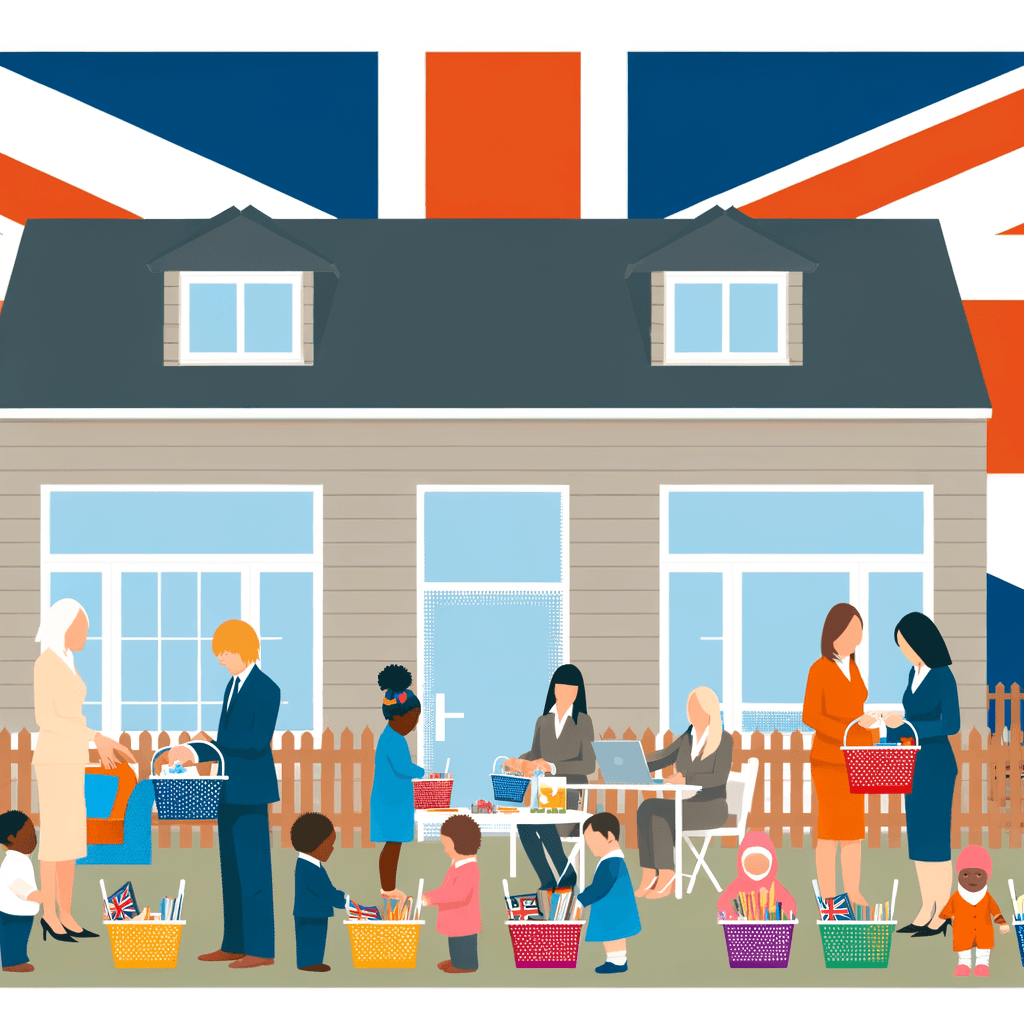
In today's diverse and multicultural UK, providing children with books that reflect their world is more important than ever. For educators and parents, building a diverse book collection in childcare settings isn't just about meeting Ofsted quality standards; it's a powerful tool for enriching early years education and supporting child development. Let's explore how to create a diverse book collection that can make a real difference in your childcare centre or home.
Why Diverse Book Collections Matter
Early Years Education: During the formative years, children are incredibly impressionable. The stories they hear and the pictures they see help shape their understanding of the world. Books that reflect a variety of cultures, abilities, and family structures teach children about diversity, empathy, and inclusivity.
Child Development: Diverse books support cognitive and emotional development. They encourage children to ask questions and broaden their perspectives, fostering critical thinking and empathy.
Quality Standards: Ofsted inspections include the assessment of cultural capital, which refers to the essential knowledge children need to prepare them for future success. A diverse book collection can significantly contribute to this aspect, demonstrating a commitment to inclusivity and comprehensive education.
Practical Steps for Building a Diverse Book Collection
1. Assess Your Current Collection
Before you start adding to your collection, take stock of what you already have. Consider the following:
- Cultural Representation: Do your books represent a range of cultures and ethnicities?
- Family Structures: Are different family structures represented (e.g., single-parent families, same-sex parents, foster families)?
- Abilities: Do you have books that feature characters with special needs or disabilities?
2. Set Specific Goals
Based on your assessment, set specific goals for your collection. For instance, you might aim to:
- Add five new books representing different cultures each term.
- Include at least two books that feature characters with disabilities.
- Ensure that your collection includes stories with a range of family structures.
3. Use Reliable Resources
Use resources like the UK's BookTrust and Inclusive Minds to find recommended books that are age-appropriate and diverse. These organisations offer lists and reviews that can help you choose high-quality, inclusive books.
4. Engage the Community
Involve parents and local communities in the selection process. You could:
- Host a book swap event where parents bring diverse books to share.
- Create a suggestion box for parents to recommend books.
- Partner with local libraries or cultural organisations to access more diverse books.
5. Budget Wisely
Building a diverse collection doesn’t have to break the bank. Here are some strategies:
- Use Tax-Free Childcare Funds: If you're a registered childcare provider, consider using part of your Tax-Free Childcare funds towards educational resources.
- Second-hand Options: Consider purchasing books from second-hand sources like charity shops or online marketplaces.
- Funding and Grants: Look for grants specifically aimed at enhancing educational resources. The Arts Council England sometimes offers funding opportunities for cultural and educational projects.
6. Incorporate Digital Books
Digital books can be a cost-effective way to expand your collection. Many platforms offer free or low-cost access to diverse children's books. Ensure that your digital collection is easily accessible to all children, including those with special needs, by choosing appropriately designed platforms.
Real-World Scenario
Imagine a childcare centre in Birmingham that caters to a culturally diverse community. They set a goal to reflect this diversity in their book collection. By assessing their existing books, they realised a significant gap in representation. They then reached out to local organisations for donations and applied for a small grant to purchase new titles.
With the funds, they acquired books like "Lila and the Secret of Rain" by David Conway, which highlights Kenyan culture, and "The Black Book of Colours" by Menena Cottin, which provides a sensory reading experience for children with visual impairments. They also engaged parents by hosting a monthly "Story from Home" day, where families share stories from their own cultures.
Pro Tips for Educators and Parents
- Rotate Books Regularly: Keep children engaged by regularly rotating books in your collection.
- Include Non-Fiction: In addition to stories, include non-fiction books that provide factual information about different cultures and abilities.
- Create a Reading Nook: Designate a cosy reading area where children can explore books independently or with peers.
Next Steps for Educators and Parents
- Audit Your Collection: Start with an audit of your current book collection and identify gaps.
- Research and Plan: Use resources from BookTrust and Inclusive Minds to plan your purchases.
- Engage and Collaborate: Work with parents and community members to enhance your collection.
- Monitor and Reflect: Regularly evaluate the impact of your diverse book collection on children’s engagement and learning.
By taking these steps, educators and parents can build a diverse book collection that not only meets Ofsted quality standards but also enriches the educational experience for every child. Diversity in literature can open up a whole new world of understanding and empathy for young learners, setting them on a path to becoming compassionate, well-rounded individuals.